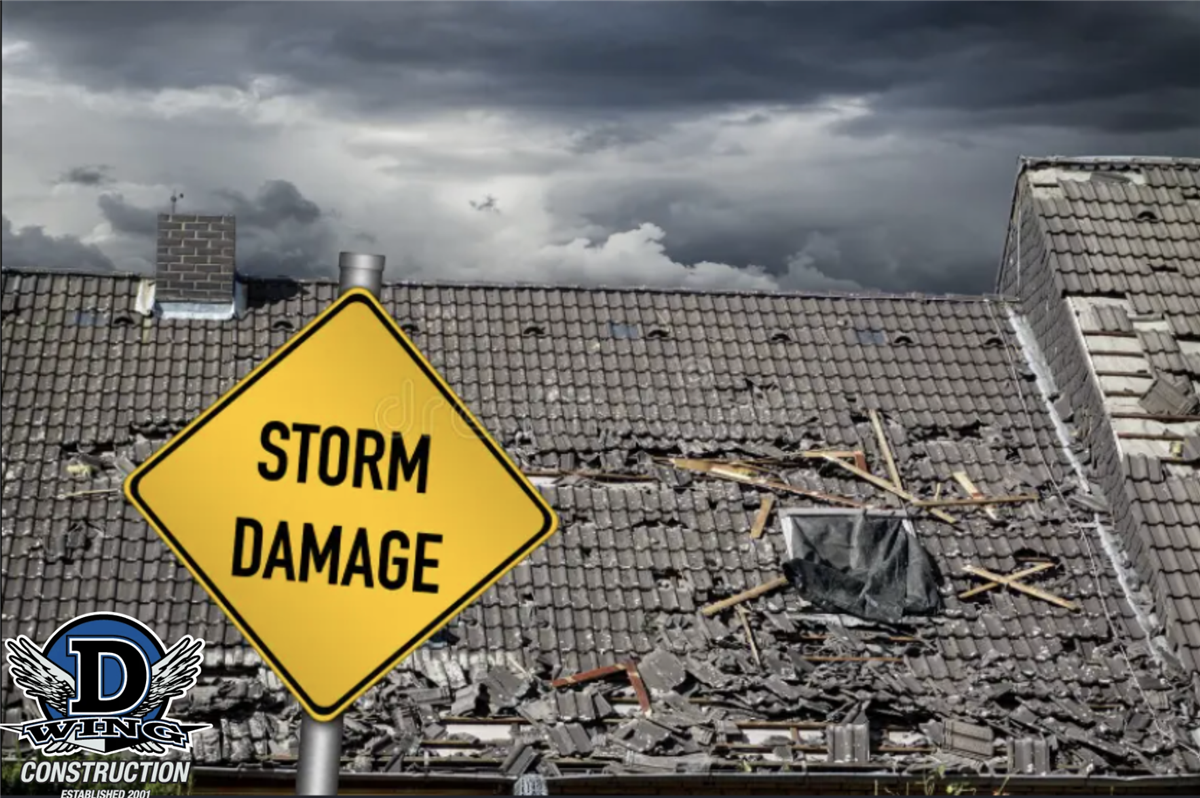
If you find yourself reading this shortly after a storm has rolled through your area and something about your roof just feels off, trust that instinct. Homeowners are more often than not correct when they have suspicions of damage. The unfortunate problem is that many of them don't know what to do with that suspicion beyond worrying about it.
There's no doubt that we were hit with a tough spell of weather in late July that carried into early/mid August. Hail, straight line winds, and everything in between. If your home was anywhere near Aurora, Batavia, St. Charles, Geneva, or even Naperville during that stretch and something caught your attention. It's definitely worth following up on and sooner is better than later.
Here's exactly what to do:
Start with what you can document right now
Before anybody gets up on your roof, do a walk around the outside of your home and just simply write down what you're able to see from the ground. You're not trying to assess the full damage - that takes an up-close look from a trained eye.
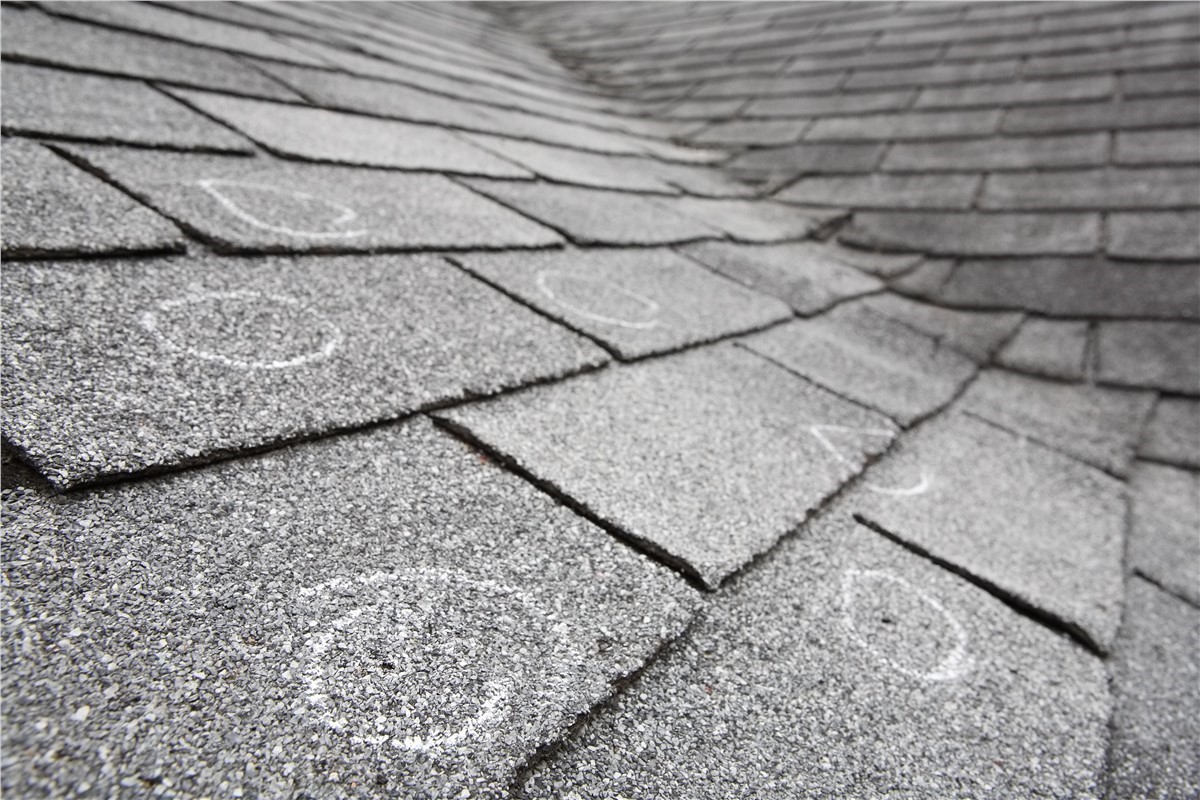
Look for shingles on the ground or in the yard. Check your gutters for granules, look up at the roofline for anything that appears lifted, shifted, or visibly damaged. Feel free to take photos on your phone. The date and time stamp matters if a claim gets filed later.
Check inside the house also
It's also important to do a run through inside your home. Walk through every room and look up at your ceilings, and check your attic if you have access. A fresh water stain or wet insulation after a storm means the roof was compromised somewhere and water got in. That is not a problem you want to sit on.
Moisture that sits in an attic or behind drywall moves insanely fast. What starts as a roofing issue becomes a mold and insulation problem before you can blink. If you see it, it has already been there long enough to matter. The sooner it gets addressed the smaller the scope of the repair.
Get a professional inspection before you call your insurance company
Before you call your insurance company, get a contractor on your roof first. This order matters.
When you call your insurance company first, an adjuster comes out and forms their assessment without any independent record of what was actually on your roof. You have no baseline to compare against and no record of what your contractor found. If the adjuster's number comes in low or they miss something, you are starting from behind.
Getting a professional inspection done first changes that entirely. You go into the insurance process with a complete picture of what is on your roof. You also find out whether what's there actually meets the threshold for a claimable event - because filing a claim that does not pay out still affects your rates. Getting an inspection done before any decision is made is the single most important step when insurance might be in the picture.
What D-Wing does with your insurance company
This is where our process at D-Wing differs from most contractors and it is worth knowing about before you start making calls.
We do not just inspect your roof and hand you a report. Once we have documented the damage and you decide to move forward, we meet with your insurance company directly on your behalf. We provide the detailed estimates for the work to be covered, recommend the best solutions for your allocated budget, and then get to work restoring your home back to its condition before the storm. Most homeowners have never had a contractor handle the insurance process for them and it changes the whole experience. You are not navigating it alone.
Timing is the factor most people underestimate
If you already think something happened to your roof this summer, the sooner you act on it the better your position with insurance. Most policies have a window for reporting storm damage and in Illinois that is typically one to two years depending on your carrier.
The summer storms that rolled through Chicagoland are on record and well documented as of right now. This currently helps to connect your damage directly to a specific event. Six months from now this connection becomes harder to make. The further you get from the storm the more room the insurance company has to question whether the damage is actually storm related or just general wear. Acting while the events are fresh is not about rushing a decision. It is about protecting your ability to make one.
The Next Step
The bottom line is, if something felt off after this summer's storms, trust it. D-Wing has been inspecting roofs across Aurora, Naperville, Batavia, St. Charles, Geneva, and the Fox Valley for over 20 years and we're on call for any storm damages and insurance claims - we'll come right out to see whether you qualify for either a replacement and let you know what's next.
📞 (630) 556-8099 | Get your free storm damage inspection and weather report at dwingconstruction.com →
Tags
Subscribe to D-Wing Windows, Siding & Roofing's Blog




Comments