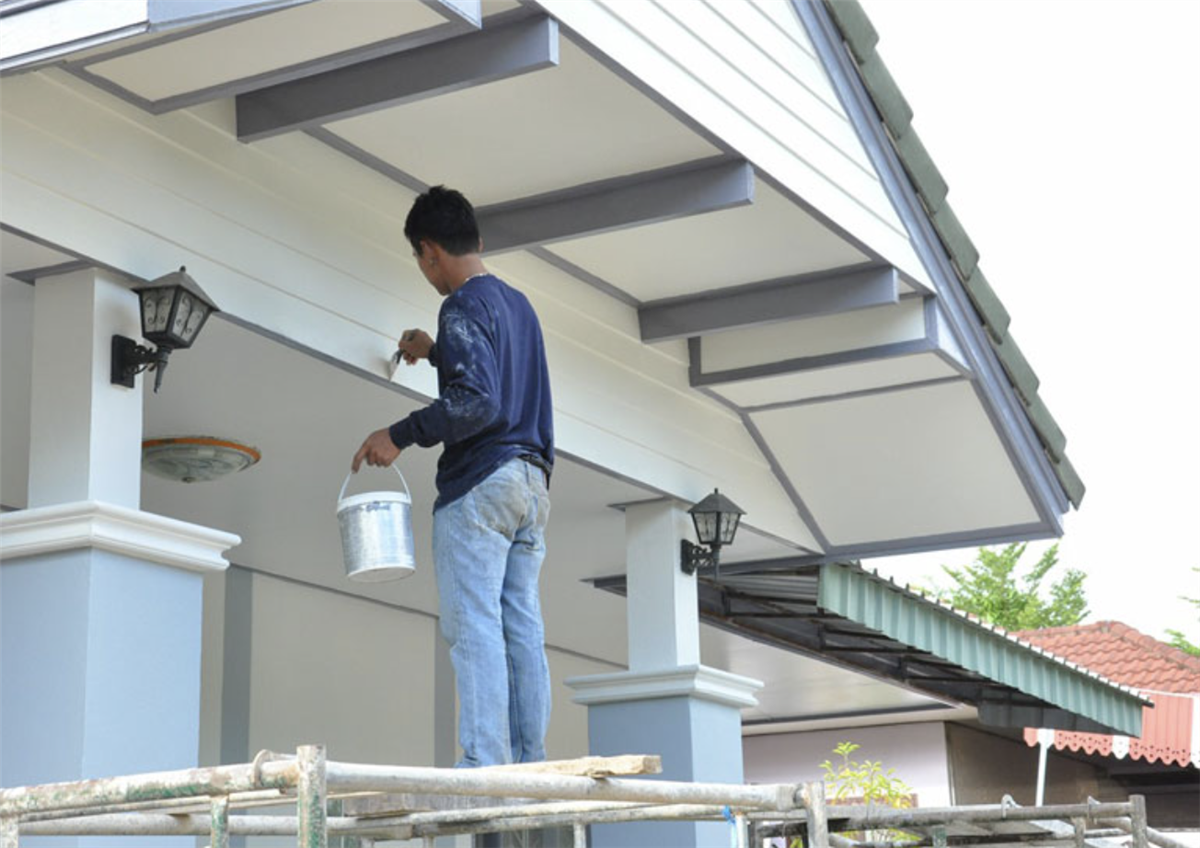
If your exterior paint is already peeling only a few years after you had a job done, it's likely not the weather that's the problem. Your exterior paint job itself, and the way it was applied is.
We see this constantly on homes across Naperville and throughout Chicagoland. Paint that should have lasted ten years starting to crack and lift at year three. Almost every time, it comes back to the same things - bad prep, wrong product, or a contractor who cut corners to win the bid.
Homeowners need to know what actually causes exterior paint to fail early and what to look for before you hire
Prep is everything
Most people think an exterior paint job is about the paint. It is, but it's also really about what happens before the paint is applied.
New paint applied over a dirty, chalky, or failing surface is not going to stick. It does not matter how good the product is. You need to pressure wash first and let the surface dry completely. Any areas where paint has cracked or peeled need to be scraped and sanded down before anything new goes on. Bare wood needs primer. Caulking around windows, doors, and trim needs to be replaced, not just painted over.
That process takes time and it is exactly what gets skipped when a contractor is trying to win on price. If one quote comes in noticeably lower than the others, prep is typically where the corners are cut. You may struggle to notice it on the day of the job, but you will definitely notice it two or three years later.
The product matters but it is not everything
Better exterior paint holds color longer, bonds more firmly to the surface, and handles temperature swings better. Those things are worth paying for.
That being said, even the best paint on the market will fail early on a surface that was not prepared properly. The prep and the product have to work together. One does not make up for the other.
When you are talking to a contractor, ask what product they are using and what sheen they are putting on different surfaces. Satin and semi-gloss hold up better on trim than flat does. A contractor who can answer that clearly and explain why is a good sign.
Moisture is the real enemy
Chicagoland can be very tough on exterior paint. Cold winters, hot summers, and a lot of freeze thaw cycles in between put real stress on every surface on the outside of your home.
When paint fails, moisture gets in. And once there is moisture underneath the wood, the paint on top does not stand a chance. The same moisture that works behind failing siding causes the same damage behind failing paint - the paint is the only thing between the wood and the elements.
Before we put paint on any home, we check the condition of the wood underneath, especially around windows and door frames where water tends to collect. If there is rot or soft spots, that gets addressed first. A contractor who may paints over a rotted sill could be delaying a bigger problem.
What to ask before you hire anyone
A few questions worth getting answered before you commit:
Does the quote include full prep or is that a separate charge. What primer are they using and where? How do they handle areas where the old paint has failed? What is their warranty on the work? And can they show you references from jobs they did three or more years ago?
The lowest number is rarely the best value once you understand what is and what is not included.
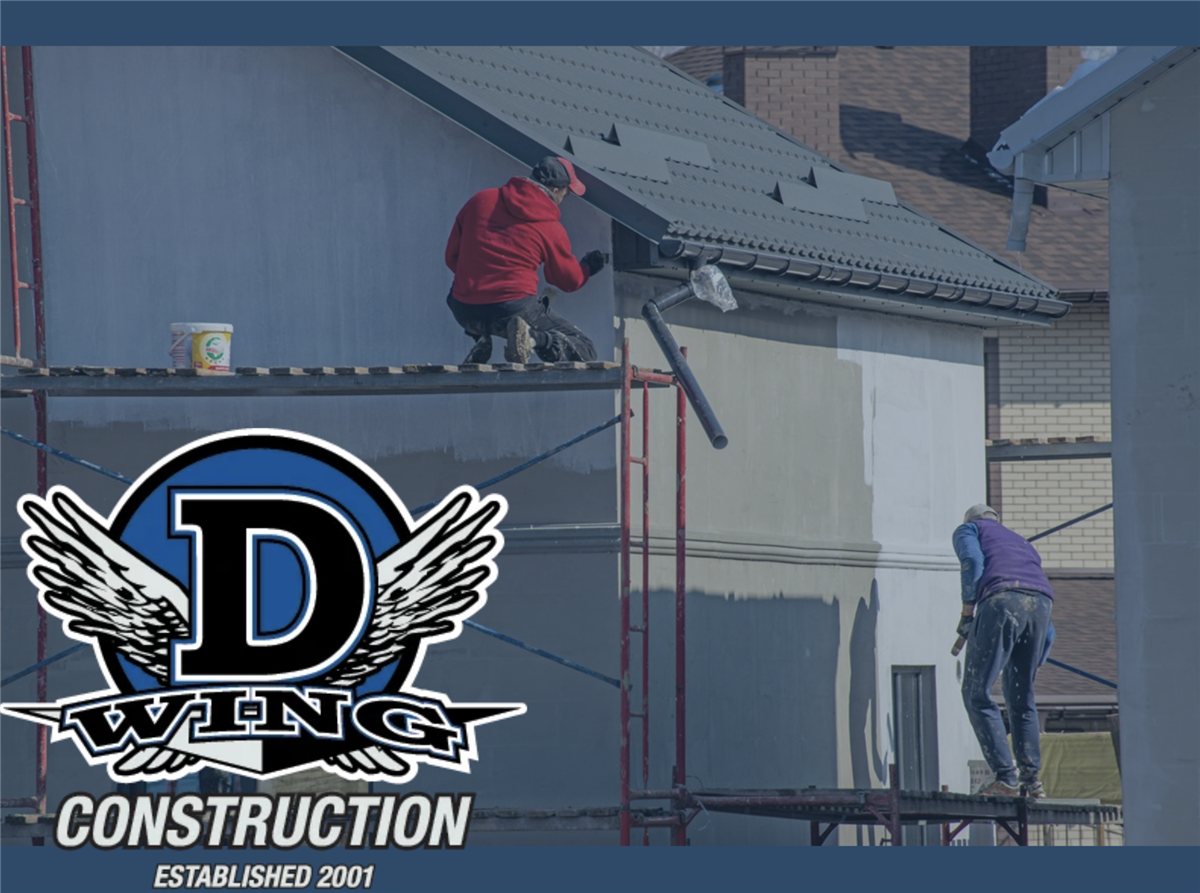
D-Wing has been handling exterior and interior painting across Naperville, Aurora, Batavia, St. Charles, Geneva, and the rest of the Fox Valley since 2001. We have 263 Google reviews and a 4.9 star rating because we do the job right the first time — prep included. We also offer 18 months no interest financing if budget is a factor. Give us a call and we will come take a look.
📞 (630) 556-8099 | Request your free painting estimate at dwingconstruction.com →
Tags
Subscribe to D-Wing Windows, Siding & Roofing's Blog




Comments