Filing a roof insurance claim sounds simple enough until you're actually doing it. You know your roof took damage, you called your insurance company, and now there's an adjuster coming out who's going to spend twenty minutes up there and make a decision that affects thousands of dollars. Most homeowners walk into that visit completely blind, and that's exactly where legitimate claims get underpaid or denied when they shouldn't be.
Here's what actually happens during the process and how to make sure your claim gets a fair shot.
Know what your policy actually says before you do anything
Before you call your insurance company, pull out your policy and figure out which type of coverage you have. The two you'll most likely see are replacement cost value and actual cash value. Replacement cost means they pay what it costs to put a new roof on. Actual cash value means they factor in depreciation, so if your roof is fifteen years old they're paying you what a fifteen year old roof is worth, not what a new one costs.
That difference can be thousands of dollars and it changes how you approach everything that comes next. Know which one you have going in.
Take photos before anyone gets on that roof
This is the step most people skip and it's one of the most important ones. Right after a storm, before a contractor or adjuster shows up, walk around your house and photograph everything you can see from the ground. Missing shingles, damaged gutters, dented flashing, anything that looks off. If there are branches down or other storm debris in the yard, get that too.
You want a clear visual record of what the damage looked like right after the event before anything gets moved or cleaned up. Insurance companies work with timelines and the more directly you can tie the damage to a specific storm the stronger your position is.
Know what the adjuster is actually looking for up there
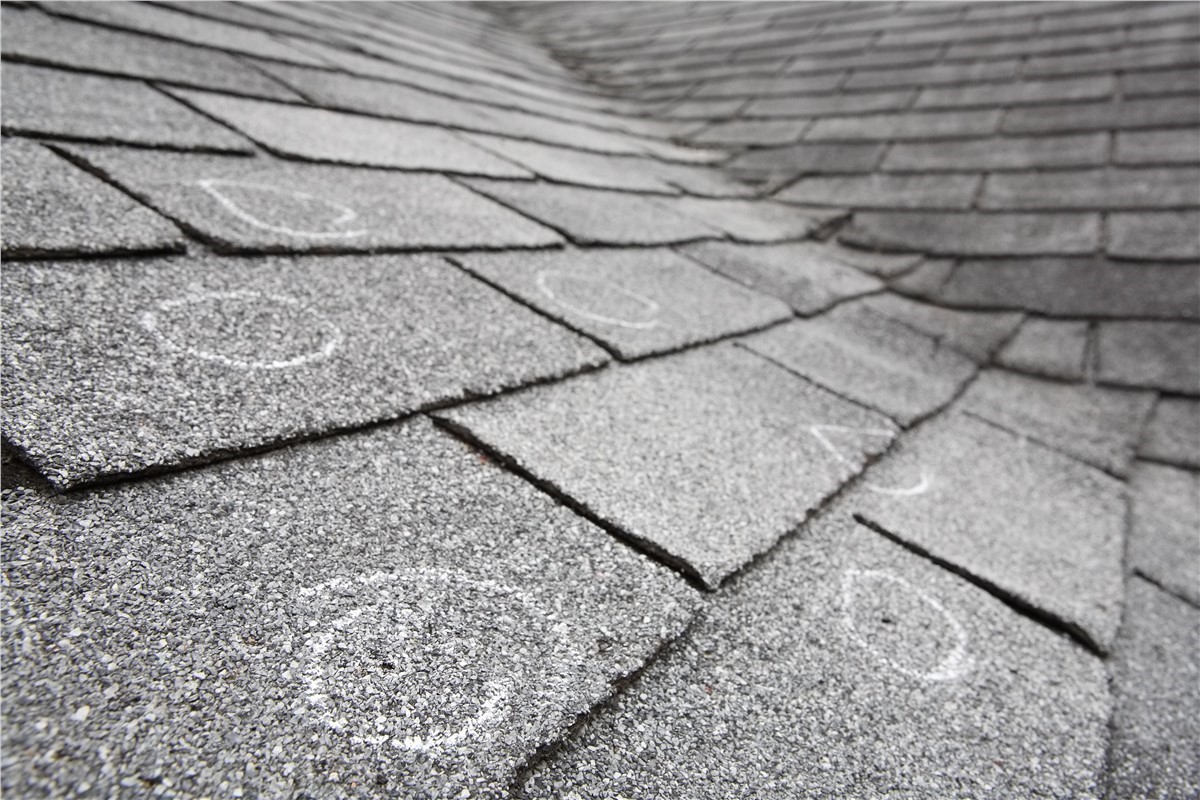
When an adjuster gets on your roof they are looking for specific types of damage that meet their threshold for a covered claim. For hail that means impact marks on shingles, granule loss in circular patterns, and dents on metal components like vents, flashing, and gutters. Hail hits metal consistently and that's usually the clearest evidence of an actual event.
For wind they're looking for lifted or missing shingles, creasing where the wind bent shingles back, and damage that follows a directional pattern matching how the storm moved through.
They're also looking at whether the damage is storm related or whether it looks more like age and wear. An older roof with general deterioration gets evaluated very differently than a newer roof with fresh impact marks. This is why the overall condition of your roof matters and why having any prior documentation of its condition helps if you have it.
Get a contractor up there before the adjuster if you can
Most homeowners don't know this is an option and it might be the most valuable thing you can do. A good roofing contractor can inspect your roof before the adjuster arrives, document every point of damage with photos and notes, and walk you through exactly what's up there.
That does two things for you. First you go into the adjuster visit knowing what's on the roof so nothing gets missed during their inspection. Second if the adjuster's assessment comes back lower than expected or skips damage your contractor found, you have independent documentation to back up a supplement or appeal.
An experienced contractor will also tell you honestly whether what's there is likely to meet the threshold for a covered claim or whether you're looking at normal wear that probably won't get approved. That's a conversation worth having before you file and potentially affect your rates on something that isn't going to pay out anyway.
A denied or low claim is not necessarily the final word
It happens more than it should. Adjusters miss things and first assessments don't always reflect what the damage actually costs to fix. If your claim comes back denied or the number doesn't line up with what your contractor documented, you have real options.
You can request a re-inspection. You can file a formal dispute and submit your contractor's documentation as supporting evidence. For larger gaps between the offer and the actual repair cost, a public adjuster - someone who works on your behalf rather than the insurance company's - is worth looking into.
Don't just accept the first answer if it doesn't reflect what's actually on your roof.
Don't wait too long on any of this
Most policies have a window for reporting storm damage, usually one to two years from the date of the event depending on your carrier. Waiting too long gives the insurance company grounds to deny a claim that would otherwise be legitimate. The Fox Valley and broader Chicagoland area has already had a rough stretch of storms this summer and if your roof took any of that damage, getting an inspection done now protects your ability to file.
If you're not sure whether what's on your roof is worth a claim, we're happy to come take a look and give you a straight answer. Our guys have helped homeowners across Aurora, Naperville, Batavia, St. Charles, Geneva, and the surrounding Fox Valley work through this process more times than we can count.
📞 (630) 556-8099 | Schedule your free storm damage inspection at dwingconstruction.com →
Tags
Subscribe to D-Wing Windows, Siding & Roofing's Blog




Comments