Plenty of thunderstorms have come through Chicagoland already this summer, and when they do, the calls come piling in. Homeowners who notice missing shingles, granules in their gutters, or a water stain on the ceiling that they hadn't seen before tend to ask the same question near the end of the call. "Will my insurance pay for this?"
The honest answer is it depends, and what it depends on is more specific than most people realize. Insurance companies don't simply look at your roof and say yes or no. They run through a defined set of criteria and the outcome of your claim lives or dies on how your roof measures up against each one. Here is what they are actually evaluating:
1. What caused the damage
This is the starting point for every claim and it is non-negotiable. Homeowner's insurance covers sudden and accidental damage from specific events - storms, hail, wind, fire, and in some cases falling debris. It does not cover damage that resulted from normal wear and tear, age, or lack of maintenance regardless of how bad that damage looks.
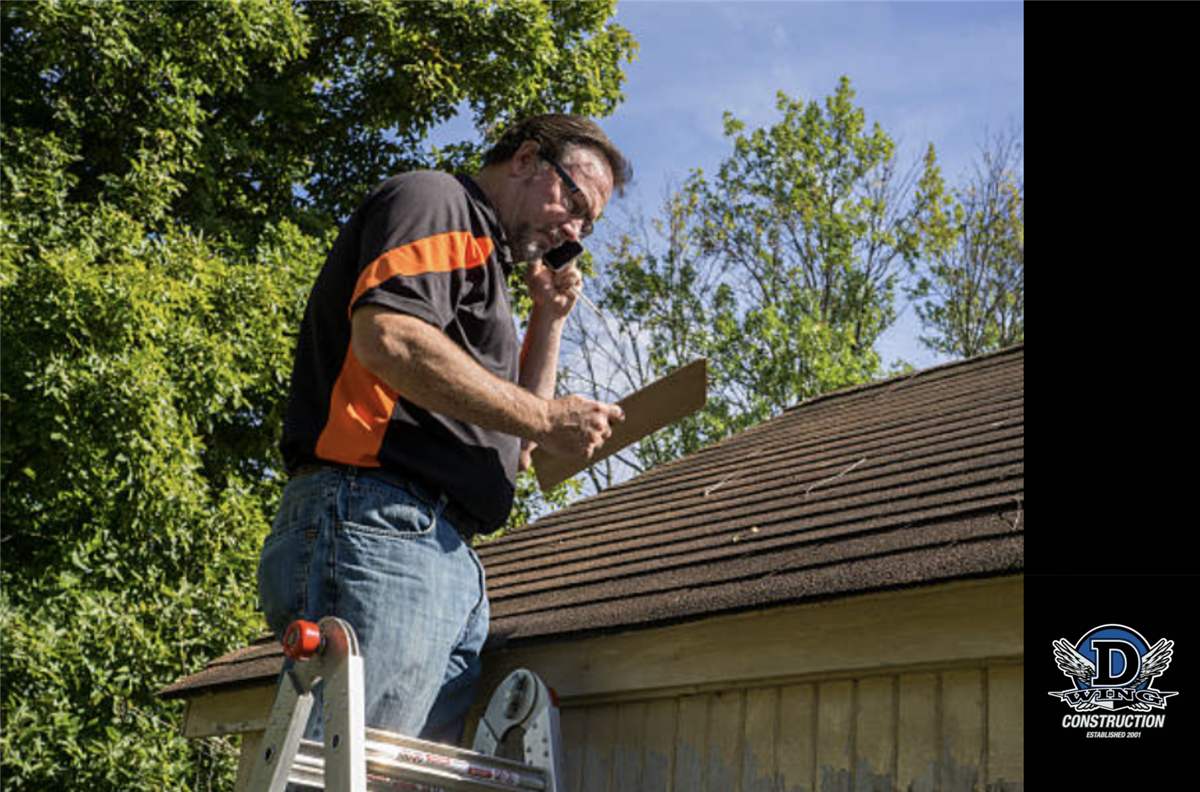
This distinction matters more than most homeowners expect. An adjuster getting on your roof is not just looking at what is damaged - they are forming a judgment about what caused it. Impact marks from hail look different from shingles that have simply aged past their useful life. Wind lifted shingles look different from shingles that were already failing at the edges. Connecting the damage clearly to a covered event is the foundation of any successful claim and it is why getting an inspection done while a recent storm is still fresh and documented can work in your favor.
This summer's storm activity across Chicagoland has been significant. The June derecho brought 70 to 90 mph winds through the Fox Valley and subsequent storm systems have continued through July. If your roof took any of that and you have not had it inspected yet, now is the time.
2. The age and condition of your roof before the damage
Insurance companies factor in how old your roof was before the covered event and what condition it was in prior to the damage. This affects two things:
-Whether they will approve a full replacement versus a repair.
- How much they will actually pay out if they do approve it.
A roof that is two years old and took hail damage is going to be treated very differently than a roof that is eighteen years old and took the same hail damage. The older roof was already partway through its useful life and the insurance company's payout reflects that through depreciation calculations. In some cases an older roof that sustained legitimate storm damage still only generates a payout that covers a portion of the replacement cost because the actual cash value of an aged roof is significantly lower than the cost of a new one.
This is why the type of coverage you carry matters. Replacement cost value policies pay what it costs to replace the roof with new materials regardless of age. Actual cash value policies factor in depreciation and pay you what the damaged roof was worth at its current age, not what a new roof costs. Knowing which one you have before you file changes how you approach the claim.
3. The type of roofing material
The material your roof is made of affects both the claim approval and the payout amount. Asphalt shingles, metal roofing, tile, and other materials all have different expected lifespans and different replacement costs and insurance companies account for both.
Higher end roofing materials also sometimes qualify for better coverage terms. Owens Corning shingles installed by a certified contractor, for example, come with stronger warranty protections that can work alongside an insurance claim in ways that builder grade materials do not.
4. The size and extent of the damage
Not every storm hit warrants a full roof replacement claim and insurance companies will tell you that directly. A few missing shingles on an otherwise solid roof might generate a payout that does not even cover your deductible, making a claim not worth filing from a premium impact standpoint. More extensive damage across a significant portion of the roof surface is what generates the kind of payout that makes replacement viable.
Adjusters are also looking at whether the damage is isolated or widespread. Hail damage that shows up consistently across the entire roof surface is a stronger claim than a handful of impact marks in one area. Wind damage that affected multiple sections is more compelling than a single lifted shingle. The extent of what the adjuster finds and documents directly drives the payout calculation.
This is exactly why having a contractor up there before the adjuster arrives is valuable. A professional inspection gives you a complete picture of what is on the roof before the insurance company forms their assessment, and makes sure nothing gets missed during the official visit.
5. Location and local weather history
Insurance companies track weather events by zip code and region, data that feeds into how they handle claims in areas that have experienced documented storm activity. The Fox Valley and greater chicagoland has had a well documented summer storm season in 2026 and that actually works in favor of homeowners filing claims right now because the weather events are on record.
Location also affects how insurance companies assess risk and set policy terms in the first place. Areas with high hail frequency or severe storm history - which Chicagoland absolutely qualifies as - sometimes have specific policy language around wind and hail coverage that is worth understanding before you file.
6. Whether the damage is storm related or maintenance related
This one ties back to point one but deserves its own conversation because it is where a lot of claims run into trouble. Adjusters are trained to distinguish between storm damage and deferred maintenance and they are looking for both on every inspection.
Granule loss from normal aging, curling shingles from years of heat cycling, cracked caulking around flashing that was never maintained - these are all maintenance issues and they are not covered. When they exist alongside legitimate storm damage they can complicate a claim because the adjuster has to separate what the storm caused from what was already there.
The best position to be in is a roof that was in solid condition before the storm hit. Regular inspections, documented maintenance, and addressing small issues before they become big ones, all put you in a stronger position when a legitimate claim needs to be filed. Understanding what your homeowner's insurance policy actually covers before something happens is one of the most useful things a homeowner can do before storm season.
What to do right now if you think you have a claim
If your home was in the path of any of this summer's Chicagoland storms and you have not had your roof looked at yet, get an inspection done before the next system comes through. Document everything. Know what coverage you carry. And talk to a contractor who can give you an honest read on what is up there before you file anything.
Contact Our Experienced Chicagoland Roofing Professionals
Since 2001 D-Wing Construction has been helping homeowners across Aurora, Naperville, Batavia, St. Charles, Geneva, and the Fox Valley navigate exactly this process. We do free inspections, we know what adjusters look for, and we will tell you straight whether what is on your roof is worth a claim or not.
📞 (630) 556-8099 | Schedule your free roof inspection at dwingconstruction.com →
Tags
Subscribe to D-Wing Windows, Siding & Roofing's Blog





Comments