If you have started getting estimates for window replacement in Chicagoland, you have probably already noticed that the numbers can vary pretty significantly from one contractor to the next. Same house, same number of windows, and the quotes come back hundreds or even thousands of dollars apart. This isn't random and it also isn't just one contractor trying to take advantage of you. Real reasons exists why window replacements cost what they do, and understanding them puts you - the customer - in a much better position
Here are the five factors that matter most.
1. The Number of Windows and Their Layout
Seems pretty obvious, but it goes deeper than just counting windows. The total number of units being replaced is the starting point, but the configuration of each window affects the price just as much. A standard double hung window - the kind where both sashes slide up and down - is the most common and generally the most straightforward to price and install. Bay windows, bow windows, casement windows, and any window with specialty shapes or custom sizing cost more because they require more material and more labor to fit correctly.
The location of the window in the house matters too. A window on the ground floor is a completely different installation than one on a second or third story where the crew needs additional equipment and extra time to work safely. Homes throughout Chicagoland tend to have a mix, and that mix affects the total job cost in ways a simple per-unit estimate does not always capture upfront.
2. The Window Product and Performance Specs
Not all replacement windows are built the same and the difference in price between a builder grade window and a high performance window is meaningful. What you are paying for when you move up in product quality is primarily thermal performance, durability, and warranty coverage.
The U-factor is the number to pay attention to. It measures how well the window prevents heat from escaping - lower is better. A standard builder grade double pane window might have a U-factor around 0.30. A premium window can get down to 0.20 or lower, which translates directly into how much you are spending every month to heat and cool your home in a climate like ours. Illinois winters and summers put real pressure on windows and a higher performing product pays that back over time in energy costs.
Frame material also affects price. Vinyl frames are the most common and most affordable. Fiberglass frames are stronger, more stable through temperature swings, and cost more. Wood and Wood Composite frames carry a higher price tag but are often the right call for older homes in places such as Geneva's historic neighborhoods where window appearance matters as much as performance.
The product you choose should come from what your home actually needs, not a brand preference or a contractor pushing what they have in stock. At D-Wing, we install a full range of window products across Chicagoland including Allure Windows, which offer strong performance and customization at a competitive price point, and we are an authorized Marvin dealer for projects where premium profiles or historic replication are the right fit.
3. Installation Complexity
The window itself is only part of what you are paying for. The labor to install it correctly is just as important.
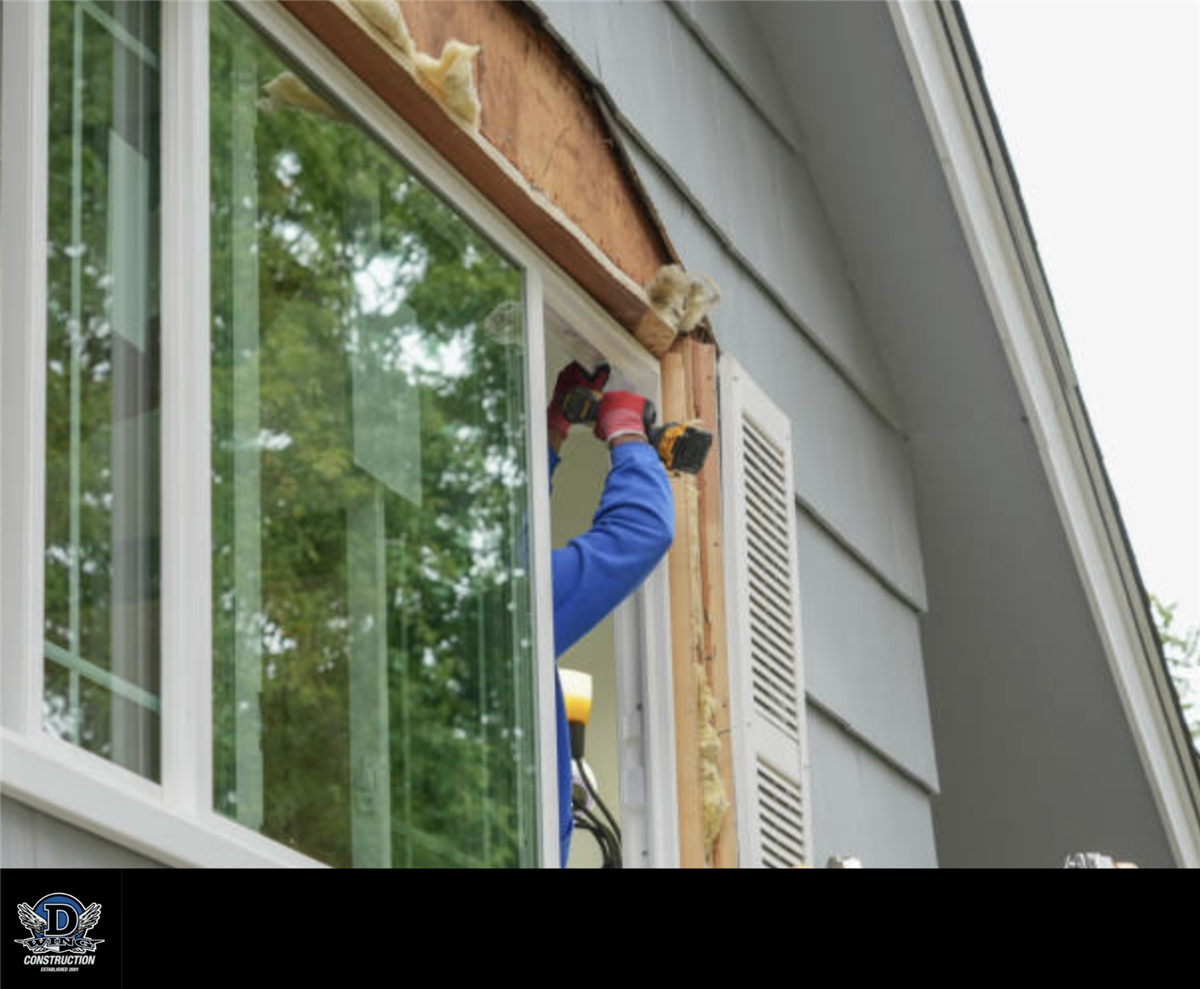
A straightforward replacement - pulling the old unit, confirming the rough opening is square and dry, installing the new window, and properly sealing and flashing it - is the typical baseline. But older homes in Aurora, Batavia, St. Charles, and across the Fox Valley often have surprises once the old window comes out. Rotted framing around the opening, moisture damage to the surrounding wall, out-of-square rough openings that need to be rebuilt before the new window can go in properly - these are things you cannot always see until the work starts and they affect the final cost.
This is also why installation quality matters so much for long term performance. A window installed without proper flashing and sealing will draft and leak regardless of how good the product is, which means you are back to the same problems in a few years on a brand new unit. The labor is definitely not the place where you want to cut corners.
4. How many windows you are replacing at once
There is a real economy of scale to window replacement that works in your favor when you are replacing multiple units at the same time. A crew mobilized for a full house replacement (say 8-12 windows) can move efficiently from unit to unit. A crew coming out for a single window has the same setup, travel, and overhead costs spread across one unit instead of twelve.
If you know you have multiple windows that need replacing, doing them together almost always gets you a better per-unit price than doing them one at a time over several years. It also means one disruption to the house instead of multiple and a consistent look across all the windows when the job is done. If you are in Naperville, Geneva, or anywhere in the Fox Valley and you are thinking about whether to do a few now and the rest later, it is worth having that conversation with your contractor before you decide.
5. The contractor you hire
This is the factor homeowners most often overlook when they are comparing quotes. Two estimates for the same windows can look very different on paper not just because of price but because of what is actually included. One contractor might be quoting a complete installation with proper flashing, interior trim work, and haul-away of the old units. Another might be quoting the window only and treating everything else as an add-on.
Manufacturer certification also affects what you can access warranty-wise. Some contractors are authorized dealers for specific window brands which makes you eligible for the manufacturer's full warranty coverage. A contractor who is not authorized can still install the same window but your warranty protection may be significantly different. Knowing how to evaluate a contractor before you hire one is just as important as knowing which window to buy - the same principles apply whether you are replacing a roof or replacing windows.
Ask every contractor for an itemized estimate. Ask what warranty coverage the installation makes you eligible for. Ask what happens if they open the wall and find moisture damage or a rotted frame. How a contractor answers those questions tells you as much as the number at the bottom of the estimate.
What window replacement actually costs in the Fox Valley
Broadly speaking, homeowners in Aurora, Naperville, Batavia, St. Charles, Geneva, and the surrounding area can expect replacement windows to run anywhere from several hundred dollars per window on the lower end for a standard vinyl unit up to well over a thousand dollars per window for premium fiberglass or wood composite products on larger or more complex openings. A full house replacement of eight to twelve windows on an average Fox Valley home typically lands somewhere in the range of several thousand to ten thousand dollars or more depending on the product, the home, and the complexity of the installation.
Those ranges are deliberately broad because the variables above genuinely matter that much. The most honest thing any contractor can tell you is that the number depends on what your home actually needs - which is why a proper in-person estimate is always more useful than a ballpark figure over the phone.
If you are ready to get a real number on what window replacement would look like for your home, we are happy to come out and give you a straight, itemized estimate with no pressure attached to it.
📞 (630) 556-8099 | Request your free window estimate at dwingconstruction.com →
Tags
Subscribe to D-Wing Windows, Siding & Roofing's Blog




Comments